
AI and Africa in a Global Context: Building capacity, advancing science and connecting partnerships
Artificial intelligence offers significant opportunities to advance scientific discovery and address priorities in health, agriculture, climate and sustainable development. Realising these opportunities in Africa requires sustained investment in people, institutions, data and infrastructure, alongside partnerships that enable African researchers and innovators to shape the technologies they use.
Convened during Ireland’s Presidency of the Council of the European Union, this roundtable will explore how African-led priorities can guide international cooperation on AI. It will bring together perspectives from AUDA-NEPAD, African innovation networks, science diplomacy, global health research, Google, and the UN AI for Good community to connect policy ambitions with practical collaboration opportunities.
STISA 2034 provides the African policy frame for the discussion. Preparations for the EU Multiannual Financial Framework 2028–2034, FP10 and Global Europe offer an opportunity to consider how European cooperation can support African scientific capacity and participation in global AI development. The roundtable will also consider how these partnerships can contribute to the UN post-2030 development agenda.
The central question will be: How can global AI partnerships strengthen African scientific institutions and innovation ecosystems while delivering practical benefits for communities?
Discussion
Capacity and infrastructure: Build scientific and technical skills, strengthen institutions, and improve access to computing, connectivity, and relevant datasets. Particular attention will be given to partnerships that create lasting capacity within African universities, research organisations and enterprises.
AI applications for science and development: Exploring opportunities in health research, Earth observation, agriculture and climate resilience. Global Health EDCTP3 will provide a perspective on clinical research and health research capacity, while Google’s Earth AI perspective will connect environmental intelligence with African development priorities.
Governance, participation and trust: Considering how African institutions can contribute to international AI governance, standards and research priorities, with attention to locally relevant data, responsible use and equitable access.
Partnerships and investment: Identifying practical forms of cooperation between public institutions, technology companies, philanthropy and African innovators, and considering how these could inform future Africa–Europe funding priorities.
Panel
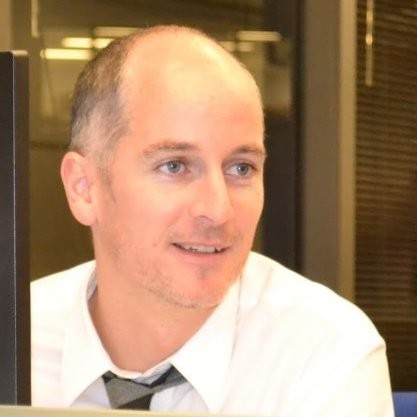
Mr Declan Kirrane, Science4All Foundation: Opening and moderation, connecting the discussion to Africa–Europe science cooperation, the Irish Presidency and the wider global policy agenda.
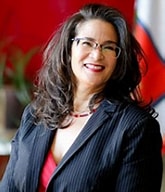
Ms Eudy Mabuza, Science Attaché, South African Embassy, Brussels — Science diplomacy, national research priorities and the role of international cooperation in strengthening African participation in AI-enabled science.
Dr Luke Barrington, Director of Earth AI, Google (meeting host) — Potential applications of Earth AI for environmental research, agriculture and resilience, and opportunities for collaboration with African scientific institutions.
Dr Michael Makanga, Executive Director, Global Health EDCTP3 — Opportunities for AI in clinical and health research, and the scientific capacity, data partnerships and institutional foundations needed for responsible adoption.
Dr John Kamara, Artificial Intelligence Centre of Excellence Africa — African innovation ecosystems, talent development, entrepreneurship and the conditions needed to translate AI capabilities into locally relevant applications.
Dr Ian Thomson, Senior Program Specialist, International Development Research Centre (IDRC), Ottawa, Ontario.
Prof Anicia Peters, CEO, National Commission on Research, Science and Technology (NCRST), Namibia.
Prof Brando Okolo, Head of Science, Technology and Innovation (STI), African Union Development Agency–NEPAD (AUDA-NEPAD)
Ms Mei Ling Fung, AI for Good ITU
Agenda
11:00 | Welcome and framing
Luke Barrington and Declan Kirrane introduce the objectives and policy context.
11:10 | African priorities and scientific capacity
Opening perspectives: Eudy Mabuza and Prof Anicia Peters
11:30 | From AI capability to practical applications
Contributions from John Kamara, Michael Makanga and Luke Barrington.
12:00 | Inclusive partnerships and support
Mei Ling Fung
12:20 | Moderated roundtable discussion
Led by Ian Thomson: All speakers and participants examine opportunities for joint action.
12:40 | Conclusions and next steps
Identify priorities to carry into the AERAP discussions on 15–16 October.
- Organisation type: AERAP
- email: declan.kirrane@iscintelligence.com
Date
Time
Dublin TimeLocal Time
- Timezone: America/Detroit
- Date: 14 Oct 2026
- Time: 5:30 am - 7:30 am
Labels
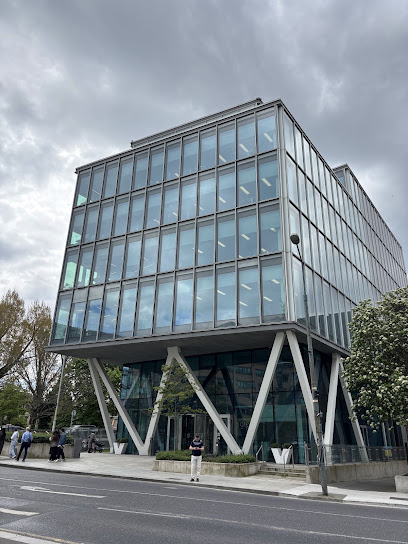
Location
Speakers
-
Brando Okolo
-
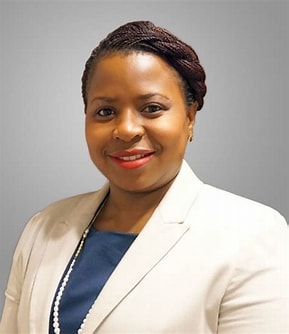 Eudy MabuzaMinister Counsellor: Science and Innovation at the Embassy of the Republic of South Africa in Brussels
Currently serving as a Minister Counsellor: Science and Innovation at the Embassy of the Republic of South Africa in Brussels where she is seconded by the Department of Science and Innovation. Responsible for the management and strengthening the South Africa Science, Technology and Innovation Collaboration between South Africa and International partners like the European Union (EU). Hydrogen Economy is one of the flagship areas which she focus on for science diplomacy. In her previous roles, she also served as the Chief of Staff (Head of Cabinet) to the Minister of Higher Education, Science and Innovation. and as a Minister Counsellor in Tokyo where she initiated the negotiation process as well as leveraged research funding for collaboration between South Africa and Japan in the Hydrogen Economy.
-
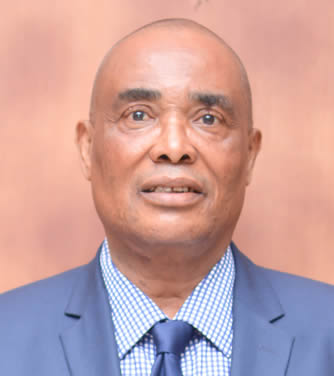 Friday OkonofuaPresident, African Academy of Sciences
Friday Okonofua (born 1955) FAS is a Nigerian professor of Gynecology and Obstetrics.[1] He is the pioneer Vice Chancellor of Ondo State University of Medical Sciences and founder of Women Health and Action Research Centre, a not-for-profit organization headquartered in Benin City, that focuses on promoting female reproductive research.[2][3]
Prior to his appointment as the 1st substantive Vice Chancellor of Ondo State University of Medical Sciences, he served as the Provost of the College of Medical Science, University of Benin and currently the Program Officer of Ford Foundation’s West Africa office.[4] Ford Foundation is a New York headquartered, globally oriented private foundation with the mission of advancing human welfare.[5] Professor Okonofua’s research interest is in the area of Public health, sexual and female reproductive health as well as Andrology.[6]
-
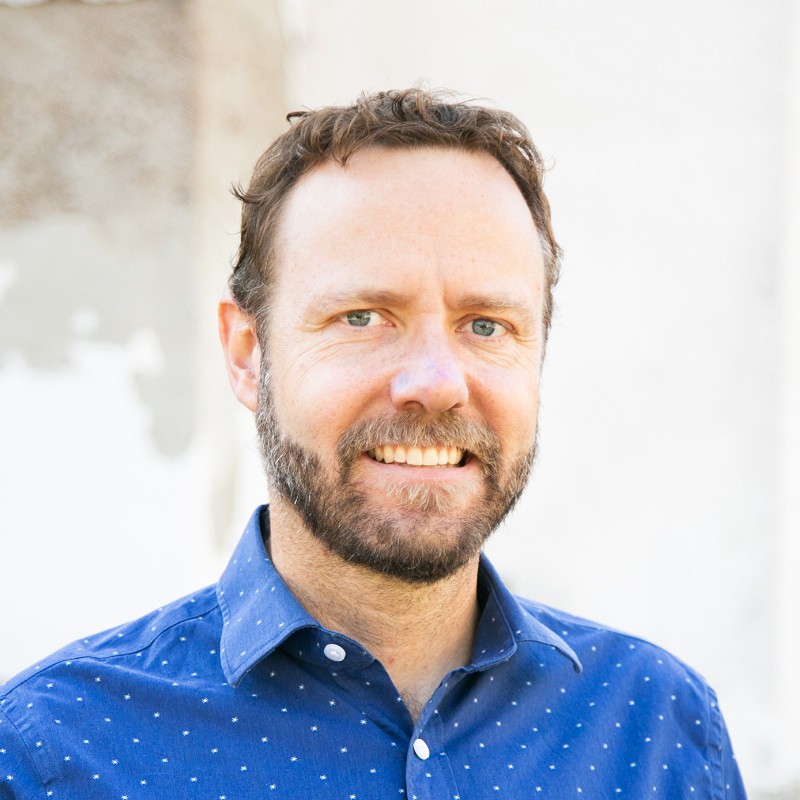 Ian ThomsonSenior Program Specialist, International Development Research Center (IDRC)
Ian Thomson is currently a Senior Program Specialist at the International Development Research Centre (IDRC). He has experience from previous roles at organizations like Oxfam Canada and KAIROS: Canadian Ecumenical Justice Initiatives. Ian holds a Master of Science degree from the University of Toronto and has a strong background in international development research and policy change
-
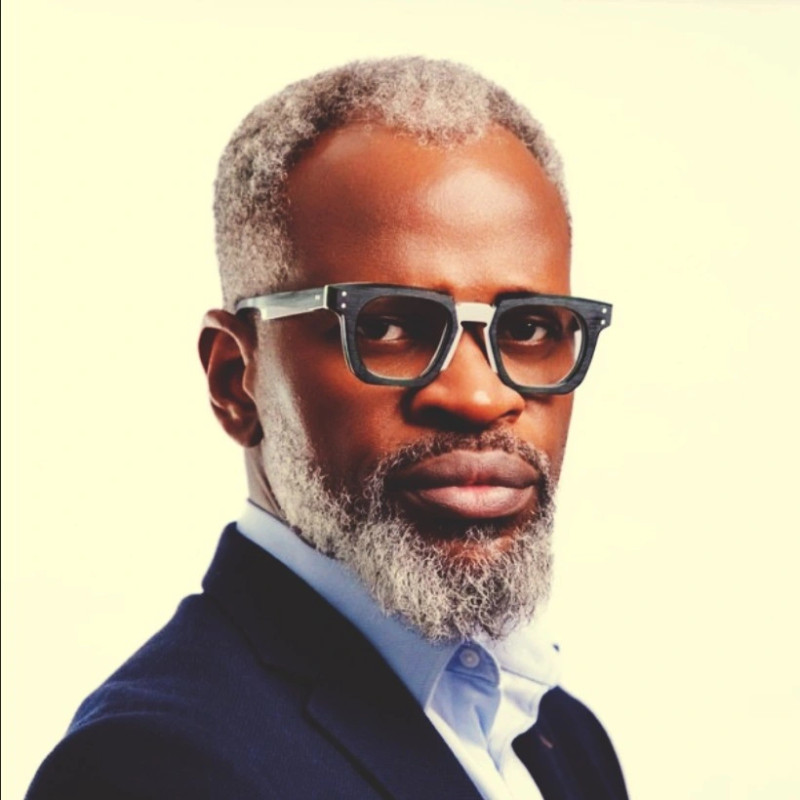 John KamaraChief Executive Officer, AI Centre of Excellence Africa (AICE)
-
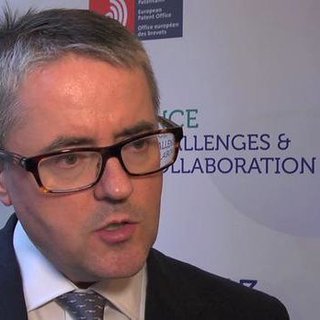
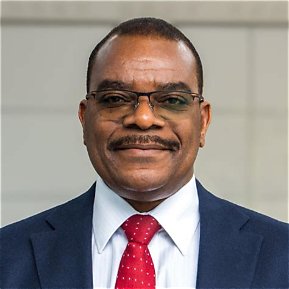 Michael MakangaExecutive Director, Global Health EDCTP3
Dr Makanga has extensive experience of working in the global health research sector and is currently the Executive Director of the European & Developing Countries Clinical Trials Partnership (EDCTP) Association.
Dr Makanga is a clinician-scientist with nearly thirty years of health and clinical research work experience in African and European institutions. He has a medical Degree from Makerere University, a Master’s and PhD in Pharmacology and Therapeutics from the Liverpool University and School of Tropical Medicine and is a fellow of the Royal College of Physicians of Edinburgh.
He has vast experience in global health, research for health capacity development, engagement with policy makers, ethics and regulatory authorities in both Africa and Europe. Moreover, he has served in various scientific and policy advisory boards involved in developing medical products and associated technologies for infectious diseases, including the World Bank, international product development organisations, philanthropies and pharmaceutical companies.